
Argus is Realsee's reconstruction capability for turning image input into spatial 3D output. The current gateway contract accepts pano and pinhole task types, reports pending, success, or failed, and can return output metadata through result_url.
In the overseas developer portal, the user-facing capability is named Argus. Some backend endpoints and domestic docs still use the historical VGGT name. Treat those names as the same reconstruction flow unless a Realsee contact tells you otherwise.
Explore Argus on the official site, or View static result from the asset localized with this portal.
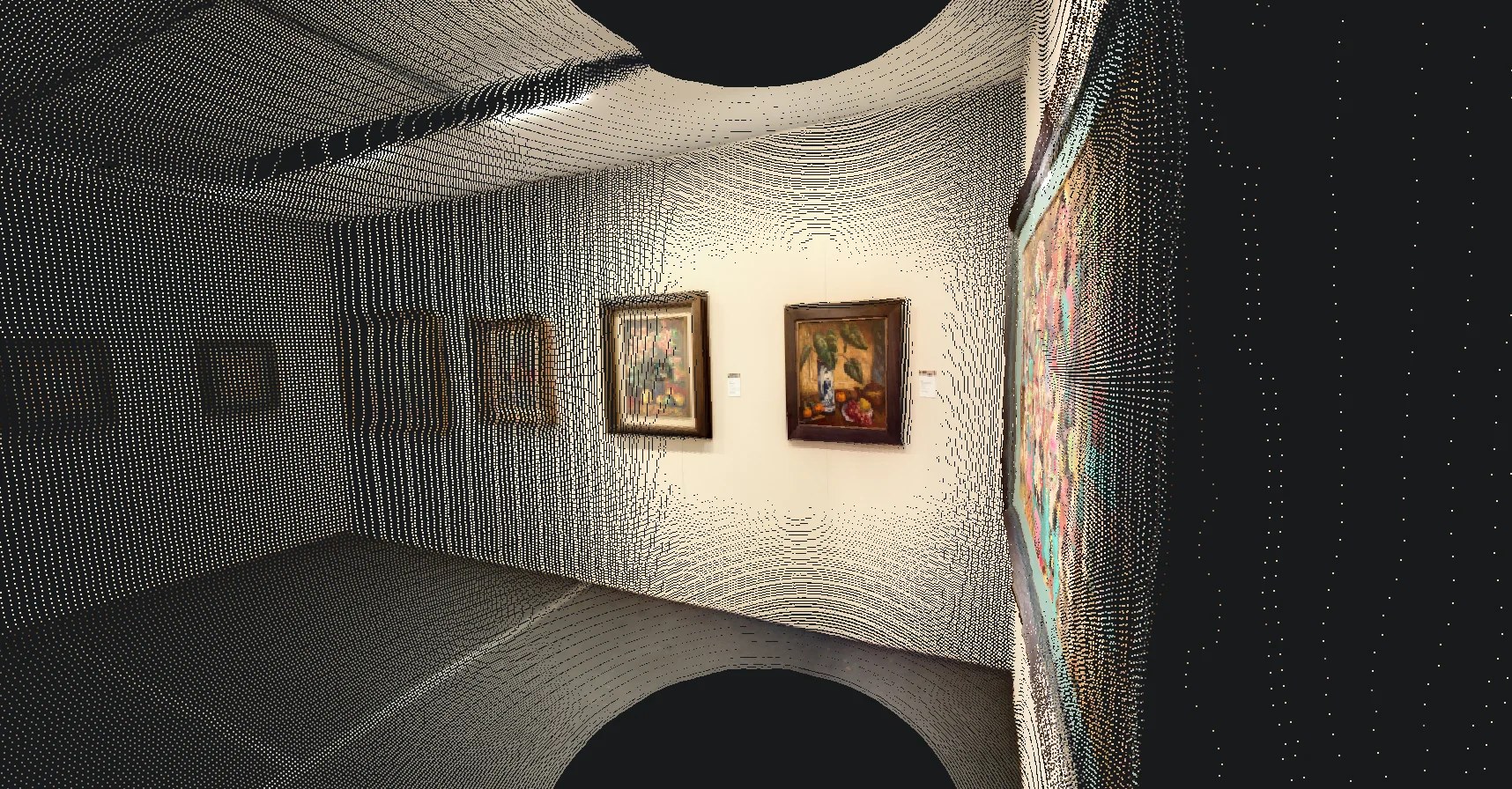
Reconstruction evidence
The documented capability moves from panorama input → depth and point-map inference → spatial 3D output.
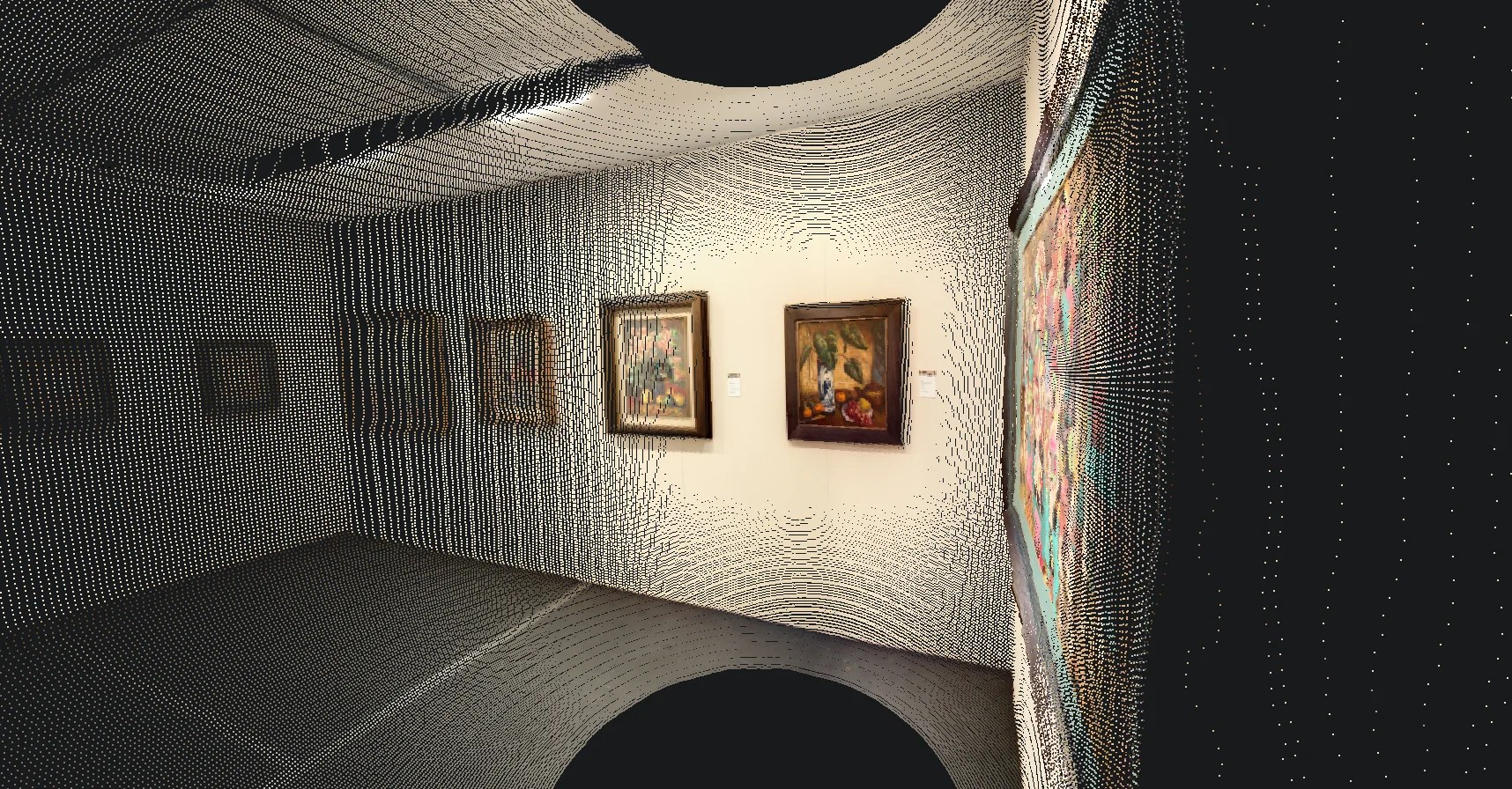
This approved preview demonstrates the reconstruction result visually. It is not an example API response and does not imply a particular result_url media type.
What it supports
The current documented integration path supports:
- Panoramic image upload - upload a panorama through a temporary storage credential.
- AI reconstruction task trigger - submit the uploaded image to the Argus/VGGT gateway.
- Polling for completion - poll task status until the gateway returns success or failure.
- 3D output retrieval - consume the returned output metadata according to the provisioned integration. The public schema defines
result_urlas a URI without promising its media type.
Integration shape
Argus is not an npm SDK. It is a server-to-server capability under the overseas app gateway:
https://app-gateway.realsee.aiThe flow is asynchronous:
- Exchange Developer app credentials for an Argus gateway access token.
- Create or continue an
input_image_idupload session. - Upload
panoImage.jpgwith@realsee/universal-uploader@0.1.1and its COS adaptor peer. - Trigger the Argus/VGGT task.
- Poll task status until output is available.
The following request and response-data shapes are taken from the repository's current Argus OpenAPI contract:
POST /open/saas/v1/vggt/upload/token
Authorization: <argus_access_token>
Content-Type: application/json

{
  "input_image_id": ""
}type ArgusPollData = {
status: 'pending' | 'success' | 'failed'
result_url?: string
}An empty input_image_id starts an upload input. Later upload-token, trigger, and poll calls reuse the non-empty identifier returned by the gateway. The Argus API Reference documents the complete fields and endpoint contracts.
Use Argus Quickstart for the full workflow. The process overview, end-to-end task, and Panorama to VR page preserve the four-page Domestic reconstruction navigation while applying the overseas contract.
Access model
Create or select a Team-owned Developer app in Apps. Its credentials use the shared /open interface scope; Argus does not have a separate capability application. An owner can create a default 14-day trial app within the Team limit of three. Creation immediately completes the App request and saves the AK binding. Actual app status, resource ownership, request limits, and task inputs still govern API results.
Join the Realsee Discord community to discuss production needs or expected volume. Trial extensions require confirmation from the team.
The browser should not receive the app secret. Keep /auth/access_token, upload token creation, task trigger, and polling behind your backend unless Realsee explicitly provisions a browser-safe flow for your use case.
Domestic behavior adapted for overseas
The Domestic reconstruction source contains four pages: introduction, process diagram, first task walkthrough, and panorama-to-VR. This English tree preserves those as:
- Overview - capability and access model.
- Process - upload, trigger, and polling sequence.
- End-to-End Reconstruction Task - first reconstruction task.
- Panorama to VR - the distinct multi-panorama ZIP-to-VR API workflow.
The curated Quickstart and API Reference remain additional overseas guides. Domestic docs use the China gateway and email-based enablement. The overseas pages use https://app-gateway.realsee.ai, the portal's App request flow, and the separate schemas for Argus/VGGT and Pano-to-3D rather than mixing their request fields.